


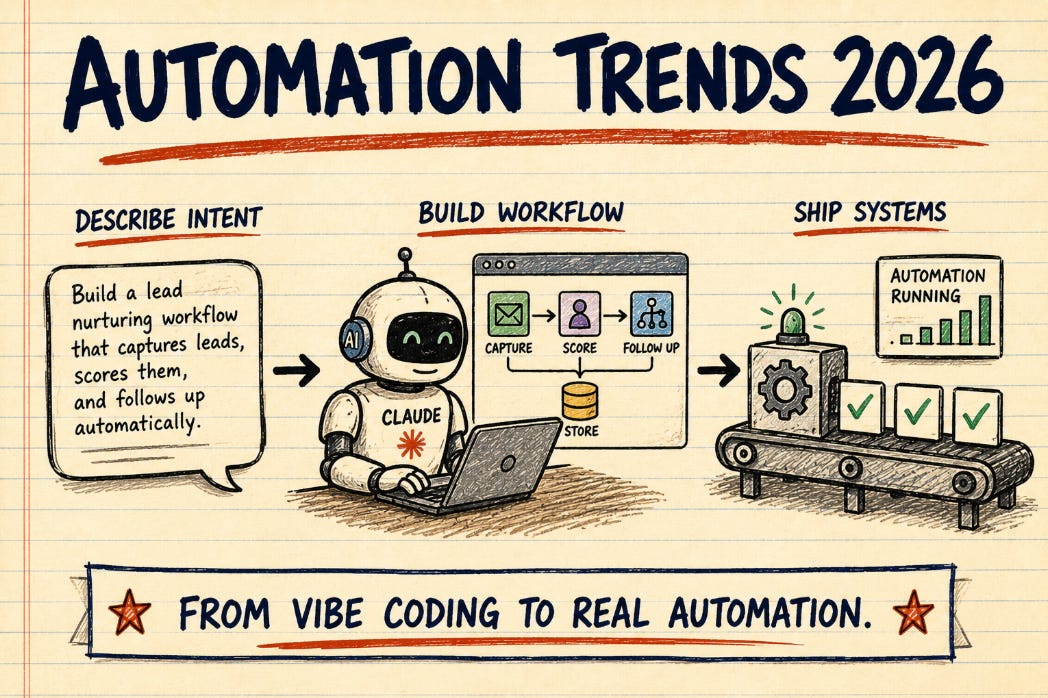
Ever feel like AI is evolving so quickly that traditional coding is giving way to something more intuitive? I’m right there with you—constantly experimenting with new ways to build without getting bogged down in syntax. As we head into 2026, discussions on Reddit are buzzing about the shift from rigid programming to vibe coding and Claude code: describing intents naturally to automate workflows and ship results. From high-upvote threads in r/vibecoding emphasizing capability overhang in AI tools to r/ChatGPTCoding ranting on vibe coding’s pitfalls, the consensus is clear: the real edge comes from skills that let you vibe code with Claude for practical wins.
Drawing from fresh insights across platforms, I’ve pulled together 10 key AI automation trends that stand out. These aren’t just buzzwords—they’re actionable areas where I’m pushing myself to experiment, like using Claude to vibe code agent chains by describing “build a system where one researches trends, another summarizes.” Whether you’re automating marketing tasks or building custom tools, mastering these can help you go from curious learner to efficient shipper. Let’s dive in and explore how to apply them, with tips from real conversations to get you started.
The Rise of Vibe Coding in AI Automation
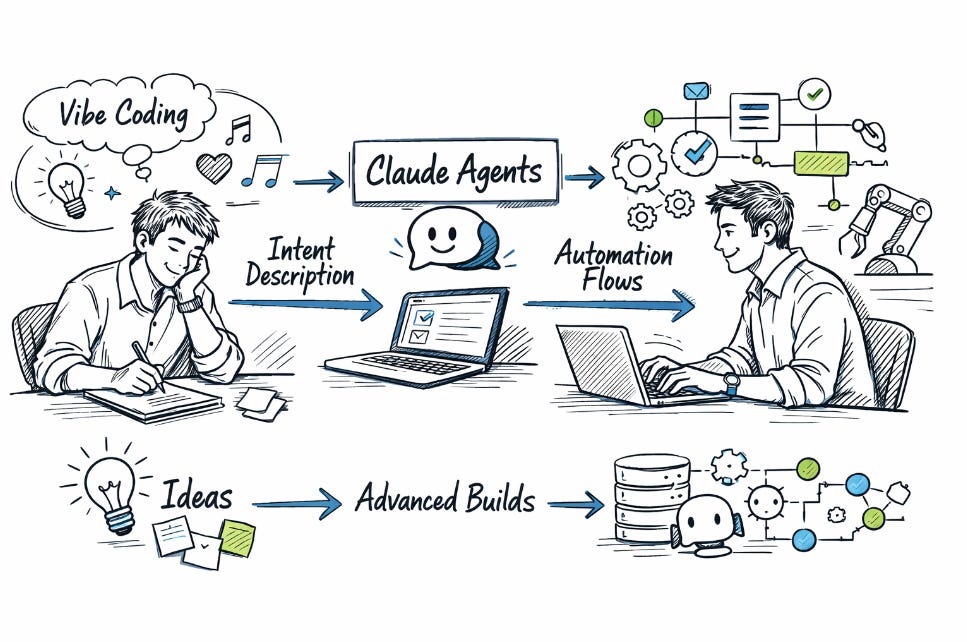
Vibe coding is exploding as a trend, allowing natural descriptions to generate code without syntax mastery. Reddit experts call it “hot garbage” for killing assisted coding but acknowledge its productivity link. Others debate its future, noting AI’s jankiness but potential in 6-12 months. I’m experimenting with vibe coding daily—describing “optimize this workflow for speed” to Claude, and it’s slashed my build time. The key? It’s shifting from memorization to intent-driven development.
Start with basics: Describe simple tasks to Claude, then refine with “add step-by-step reasoning.”
Experiment iteratively: Test variations by describing changes and track results.
Bias to action: Build a vibe library—I’ve got one for automation hooks that saves hours.
Integrate with flows: Combine with Claude-described agents for end-to-end processes.
Measure impact: Focus on outputs that solve problems, not just clever descriptions.
Claude Code’s Role in Streamlining Automation
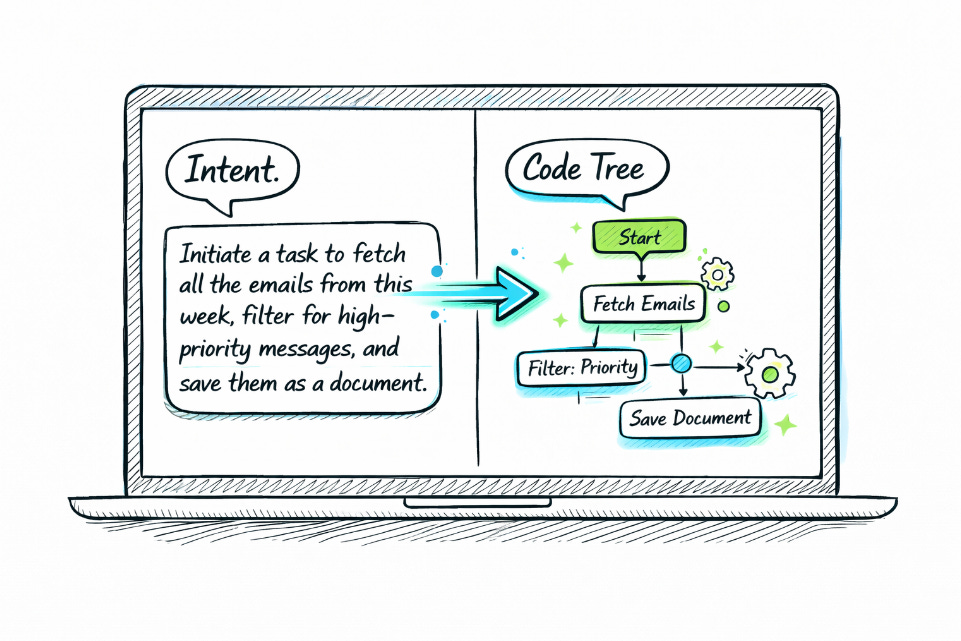
Claude code is trending for its ability to turn vibes into functional builds. Experts share stories of using Claude for apps generating revenue link. Discussions touch on its impact on tech jobs, with users vibe coding full products. I’m leveling up by describing “connect APIs for social pipelines” to Claude—turning ideas into magic without drudgery. It’s about leveraging Claude to handle repetitive tasks, freeing you for creativity.
Choose your approach: Start with Claude-vibed basics, describe custom logic.
Map processes: Identify bottlenecks like email sorting, and vibe code solutions step-by-step with Claude.
Test scalability: Describe pilots to Claude for overnight trust.
Add triggers: Vibe events like new data to kick off flows.
Optimize loops: Describe feedback for refinements.
Agentic Evolution in Vibe Coding
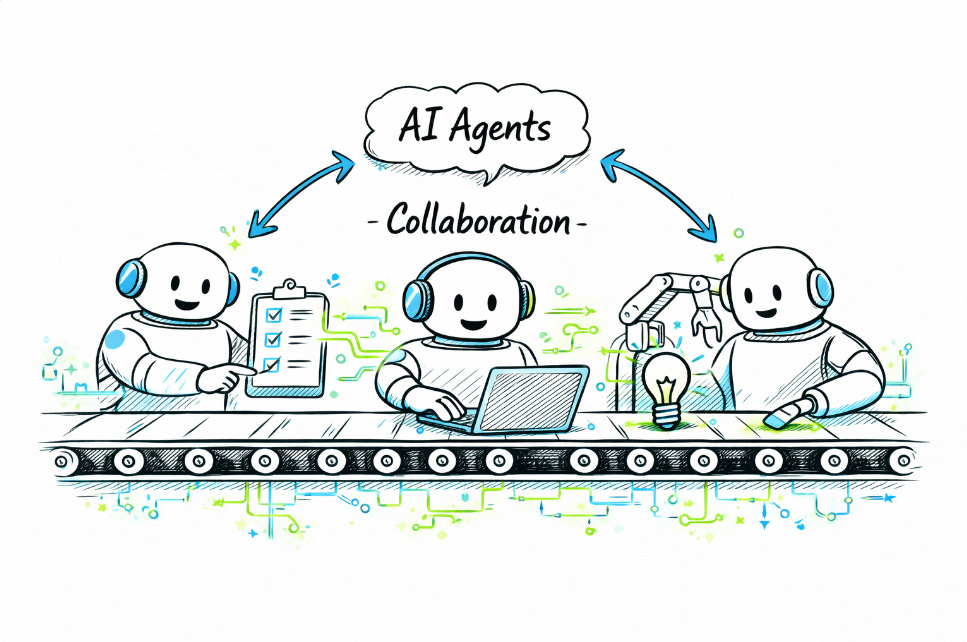
Agentic AI is a game-changer, evolving tools to autonomous teammates. Experts debate AI’s code limits but note vibe coding’s potential link. Predictions highlight overhang in capabilities. I’m pushing boundaries by vibe coding multi-agents with Claude: “One researches, another summarizes”—like a mini team. The buzz is on goal-driven systems that self-correct.
Frameworks first: Describe agent interactions to Claude.
Define goals: Set clear objectives like research automation.
Tool integration: Vibe API connections.
Handle errors: Describe self-correction loops.
Scale small: Start single, describe multi-systems.
Capability Overhang in Coding AI
Capability overhang is hot, with AI tools underutilized due to interfaces. Experts explore this in coding AI link. I’m integrating by vibe coding with Claude: “Pull from notes for summaries”—unlocking hidden potential. It’s transforming models into powerhouses.
Set up: Vibe databases for retrieval.
Query: Describe combinations for pulls.
Hygiene: Vibe maintenance for accuracy.
Test: Describe edge cases.
Action: Use for report generation.
Fine-Tuning for Tailored Vibe Builds
Fine-tuning customizes for niche needs. Experts discuss vibe coding’s traps but praise Claude for tweaks link. I’m experimenting by vibe coding: “Setup for fine-tuning”—training assistants. Trend toward bespoke over generic.
Platforms: Vibe on APIs with Claude.
Prep: Describe datasets.
Metrics: Vibe evals for specificity.
Iterate: Retrain via descriptions.
Deploy: Vibe integrations.
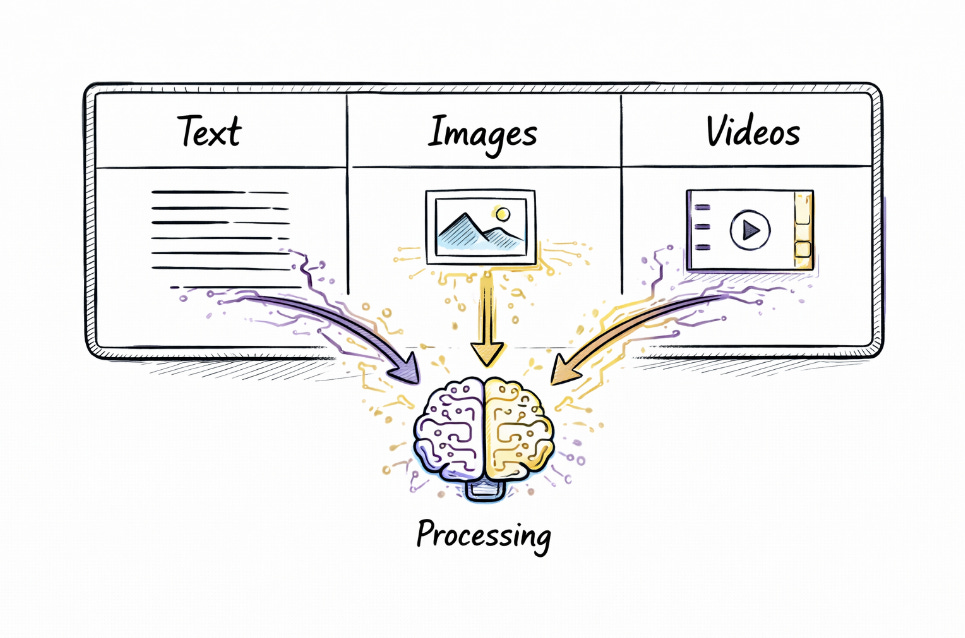
Multimodal Vibe for Versatile Automation
Multimodal handles text/images seamlessly. Experts critique Google ‘vibe coding’ but note limitations link. I’m diving by vibe coding: “Analyze visuals”—actionable insights. Expanding reach beyond words.
Models: Vibe for mixed APIs.
Cases: Describe video summaries.
Combine: Vibe richer outputs.
Safe: Test biases via descriptions.
Projects: Vibe image searches.
Scaling Visuals with Claude Code
Video gen scales content. Experts share revenue from Claude-coded apps link. I’m testing by vibe coding: “Repurpose to clips”—boosting engagement.
Tools: Vibe scripts.
Script: Describe narratives.
Edit: Vibe pacing.
Automate: Vibe integrations.
Measure: Track to refine.
Stacking for Leverage in Vibe Coding
Stacking creates ecosystems. Experts debate vibecoders vs developers link. I’m stacking by vibe coding: “Data flow integrations”—multiplied productivity.
Synergies: Describe pairings.
Custom: Vibe setups.
Avoid: Choose interoperable.
Test: Vibe handoffs.
Scale: Describe growth.
Evaluating for Reliability
Evaluating ensures quality. Experts warn vibe coding traps link. I’m using Claude to vibe evaluations—catching issues.
Tools: Describe tracking.
Metrics: Vibe assessments.
Versions: Iterate descriptions.
Costs: Vibe optimizations.
Loop: Describe improvements.
Intent-Driven Vibe Development
Vibe coding describes intents. Experts question AI code but see potential link. I’m trying Claude for quick builds—focusing on what.
Platforms: Claude for vibe.
Problems: Let AI syntax.
Review: Describe checks.
Faster: Vibe prototypes.
Learn: Vibe for building.
Wrapping this up, these 10 trends—from vibe coding to intent-driven builds—are the ones sparking real buzz on Reddit for 2026. Experimenting has pushed my automations forward, turning ideas into systems. Key takeaway? Relentless action: pick one, vibe something small, iterate. As these become bottlenecks, shippers lead.
Ready to level up?
Subscribe for more deep dives on AI experiments, comment on the trend you’re tackling first, or vibe code one task with Claude today! Check out my latest build on X for inspiration: Eugeniu Ghelbur on X
Eugeniu Ghelbur – Relentless learner automating my way through AI. Follow on X @eugeniu_ghelbur and on LinkedIn
Create post, I need to sit down tonight and tests it!! 🤯
The bit about Claude-powered builds is interesting. What I've found in practice is that the automation only works when you have guardrails that aren't suggestions.
CLAUDE.md tells Claude what you prefer. Hooks in settings.json tell it what it can't do. Exit code 2 blocks the action entirely. I put together a full guide on the git automation side specifically (https://reading.sh/claude-code-hooks-a-bookmarkable-guide-to-git-automation-11b4516adc5d); blocking force-pushes, enforcing conventional commits, running tests before every commit. All deterministic, no hoping the model remembers.
The vibe coding trend worries me a bit honestly. The more autonomous the agent, the more you need hard enforcement. Suggestions don't scale.