The data field can feel overwhelming—there’s always a new tool to learn, a dataset to clean, or an algorithm to optimize. But what if the secret to success isn’t in massive leaps, but in small, consistent steps forward?
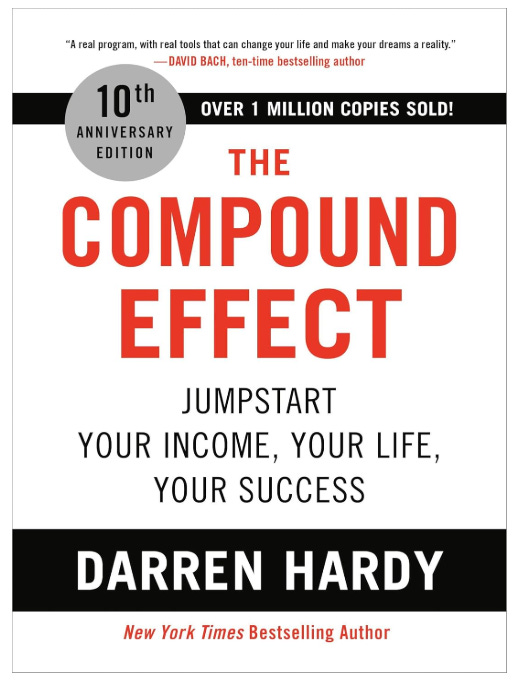
This is the core message of Darren Hardy’s book, The Compound Effect. It’s a guide to making progress by embracing small, daily actions that add up to extraordinary results over time.
In this post, I’ll explore the lessons from The Compound Effect and how they’ve transformed my approach to data mastery. Whether you’re wrangling messy datasets, building predictive models, or delivering business insights, these principles can help you achieve lasting success.
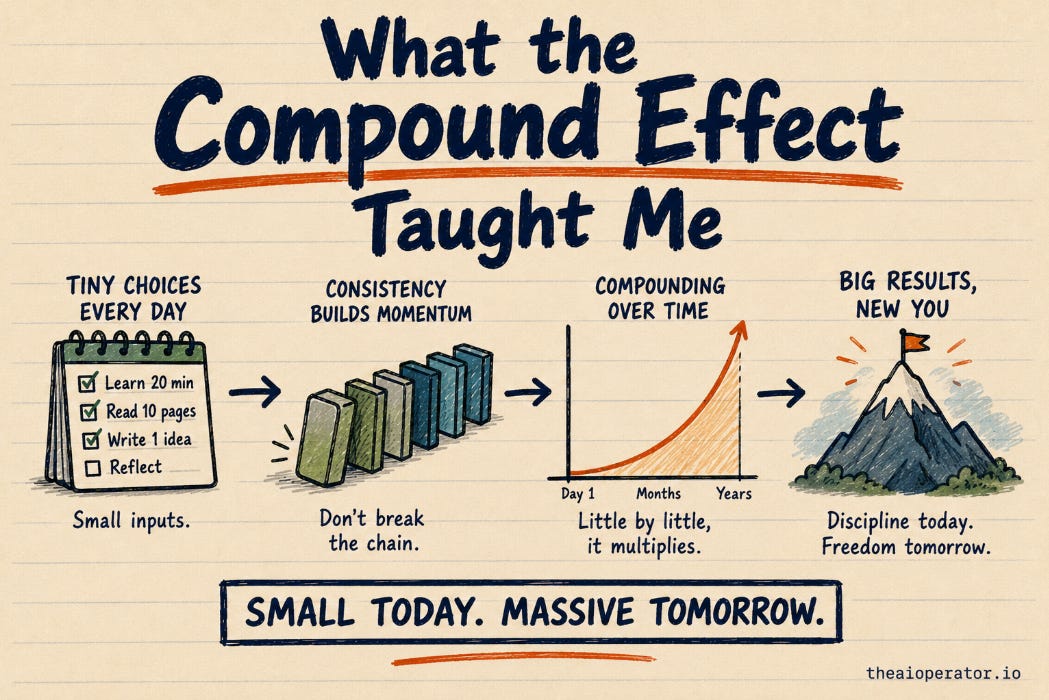
One of the most transformative ideas from The Compound Effect is this: small, seemingly insignificant actions repeated consistently lead to massive results.
In data, this idea is everywhere:
Refining Queries: Optimizing your SQL queries may not seem impactful at first, but over time, it can save hours (and headaches).
Incremental Learning: Instead of overwhelming yourself trying to learn everything at once, focus on mastering one tool or technique each week.
For instance, I made it a habit to experiment with one new data visualization technique weekly. At first, the impact felt minor. However, after a year, I had developed a diverse skill set that transformed how I communicated data insights.
Ghelbur Labs 📊 is a reader-supported publication. To receive new posts and support my work, consider becoming a free or paid subscriber.
2. Consistency Beats Intensity
It’s tempting to pull all-nighters perfecting a machine learning model or binge-watch hours of tutorials. But The Compound Effect stresses that success is a marathon, not a sprint.
Here’s how this applies to data:
Spend just 30 minutes a day practicing your coding or data analysis skills.
Consistently track and improve your workflow efficiency—automate one manual task at a time.
When I started dedicating 15 minutes daily to studying the Pandas library, I didn’t see immediate results. But after a few months, I noticed a significant improvement in my ability to handle complex datasets efficiently.
3. Momentum is Everything
Once you start making progress, momentum builds and accelerates your results. The Compound Effect emphasizes how critical it is to harness this momentum for long-term success.
In data, momentum looks like:
Starting with basic analytics and growing it into a robust predictive system over time.
Gradually automating repetitive tasks, which frees up your time to focus on creative, higher-value work.
Momentum works wonders in data projects. The more small wins you accumulate, the more motivated you’ll feel to tackle larger challenges.
4. Track Your Progress Like a Data Pro
We, as data professionals, know the power of tracking metrics. Why not apply this mindset to personal growth?
Use a habit-tracking app to log your daily progress, whether it’s coding, cleaning datasets, or learning new tools.
Set measurable goals, like improving query performance by 10% or mastering a new visualization library by the end of the month.
By tracking small wins, you can visualize the compound effect in action—just like monitoring KPIs for a project.
Start Small, Stay Consistent The Compound Effect taught me that mastery isn’t about taking giant leaps—it’s about taking small, consistent steps that compound over time. Whether you’re tackling a challenging dataset or learning a new tool, start small and stay consistent.
If you’re ready to see the compound effect in action, I highly recommend picking up a copy of The Compound Effect. It’s a game-changer, whether you’re in the data field or not.
What’s one small step you can take today to grow in your data journey? Let me know in the comments—I’d love to hear how you’re applying the compound effect to your work!