


Update, 2026: The AI Operator has narrowed its focus to AI and building with AI in production. This post is from before that shift. If that’s what you’re here for, start with I rebuilt Karpathy’s LLM Wiki, I built this for myself. Then 1,374 strangers cloned it., or what The AI Operator is now.
Why 2030 Isn't That Far Away
Most people don’t think beyond next year. But the real thinkers — the ones playing the long game — are quietly scanning the map, asking:
Where will it still feel safe, free, and familiar in 2030 and beyond?
In a world rapidly shifting — demographically, culturally, economically — some places are changing fast. Others, more quietly, are holding their ground: preserving Western values, maintaining cultural stability, and preparing for a future that still makes sense.
This guide is for those who care about that. For those who want sunshine and sanity. Opportunity and safety. A life that’s not just lived, but lived well — with peace, freedom, and alignment.
What Matters Most When Choosing a Country for 2030+
Here’s what we looked for — not hypotheticals, but long-term, data-backed trends:
Cultural Stability: Western, Christian-majority societies unlikely to undergo major cultural shifts (e.g. becoming Muslim-majority or radically multicultural in values).
Low Risk of Demographic Flip: No large-scale immigration from incompatible regions (especially low Muslim and South Asian influx).
Warm/Temperate Climate: Because life’s better with sun, sea, and minimal snow.
Political & Personal Freedom: Democracies with free speech, freedom of religion, and personal rights.
Economic Opportunity: Solid job markets or investment/remote work potential.
Healthcare & Infrastructure: Developed systems that won’t collapse under pressure.
Safety: Low crime, low chaos. Bonus points for global peace index rankings.
Retirement Viability: Good if you want to build or invest now and live well later.
English-Friendly: Either English-speaking or highly proficient.
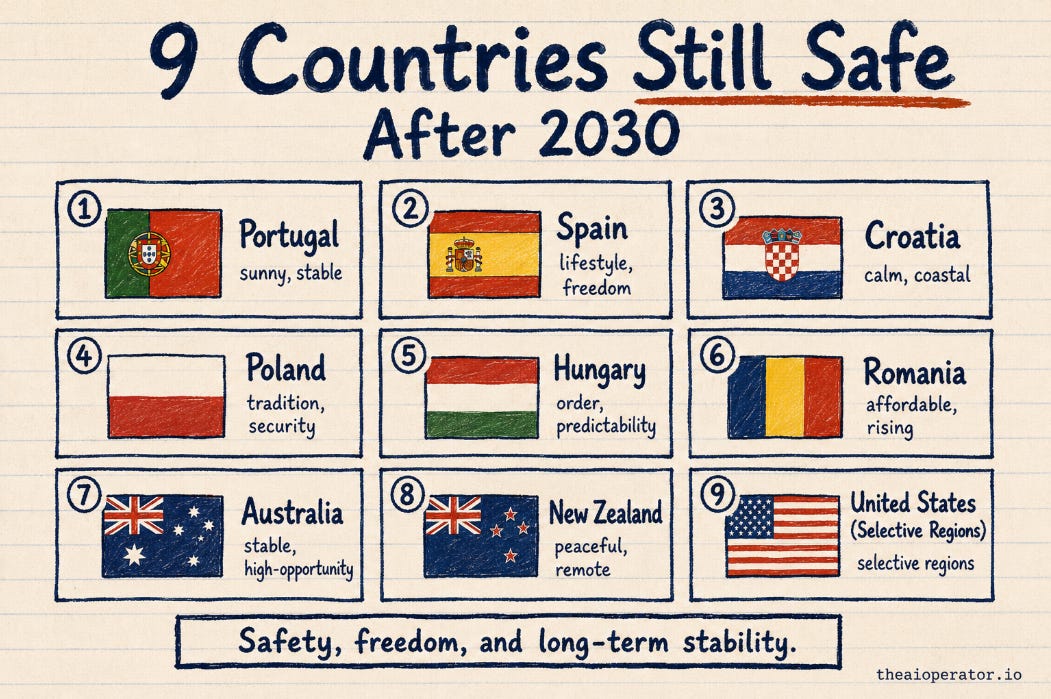
9 Countries That Still Make Sense After 2030
Let’s get to it — here are the nine countries that tick all the long-term boxes:
1. Portugal

Climate: Mediterranean paradise.
Culture: Catholic roots, Western values, secular tolerance.
Why it works:
Muslim population under 1% — and projected to stay that way.
Immigration mostly from Latin America and EU — culturally aligned.
One of the safest and most peaceful countries on Earth.
Welcomes remote workers, retirees, and entrepreneurs.
Excellent English proficiency, especially among the young.
Bottom line: Sunny, stable, and still Western. Portugal feels like the southern California of Europe — without the madness.
2. Spain
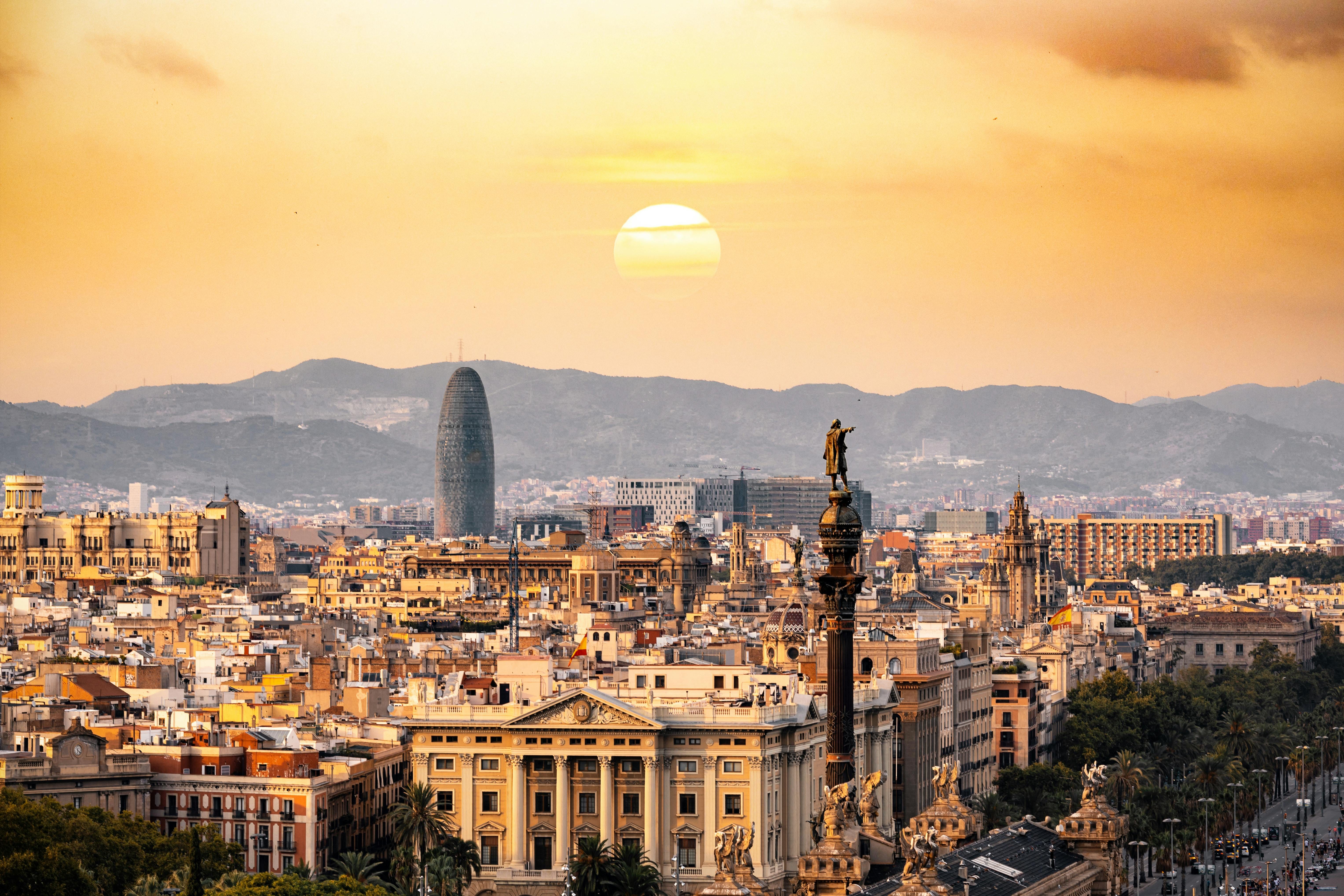
Climate: Coastlines, sun, islands — take your pick.
Culture: Deeply Christian-Catholic roots, but modern and free.
Why it works:
Muslim population ~5%, with no majority shift projected.
Large-scale immigration is Latin American — not radical or hostile.
Universal healthcare, good infrastructure, and lifestyle-friendly.
Digital nomad visa? Yes.
Bottom line: Spain is where you go if you want European lifestyle, warm people, and a future that still speaks your cultural language.
3. Croatia
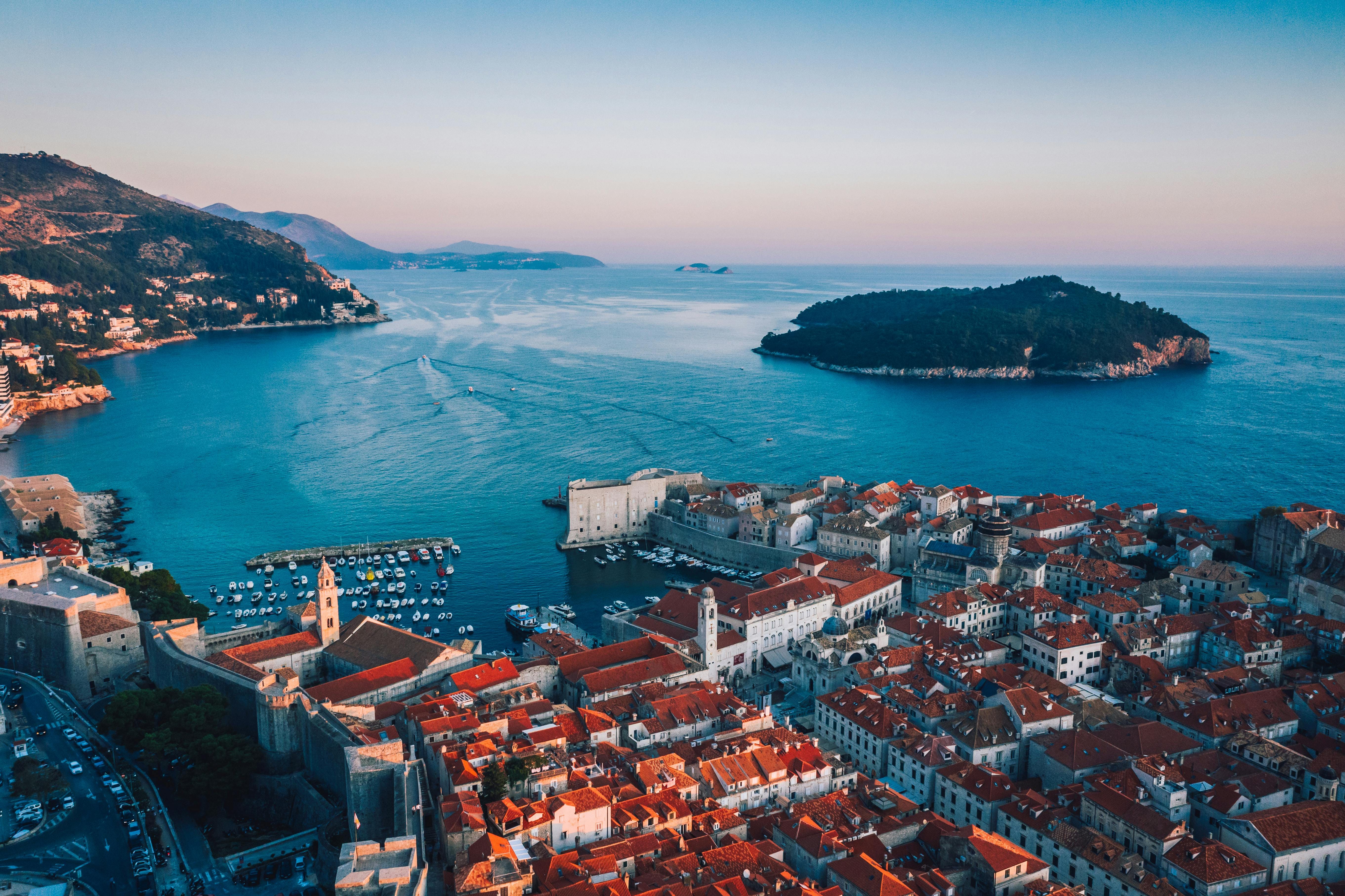
Climate: Adriatic coast is like Italy, but more peaceful.
Culture: Over 85% Catholic. Practically no Muslim immigration.
Why it works:
One of the lowest Muslim shares in Europe (<0.1%).
English widely spoken among youth and in tourist zones.
Affordable, safe, and visually stunning.
New digital nomad visa and growing expat hubs.
Bottom line: Croatia offers Western roots without Western Europe’s chaos. A hidden gem on the rise.
4. Poland
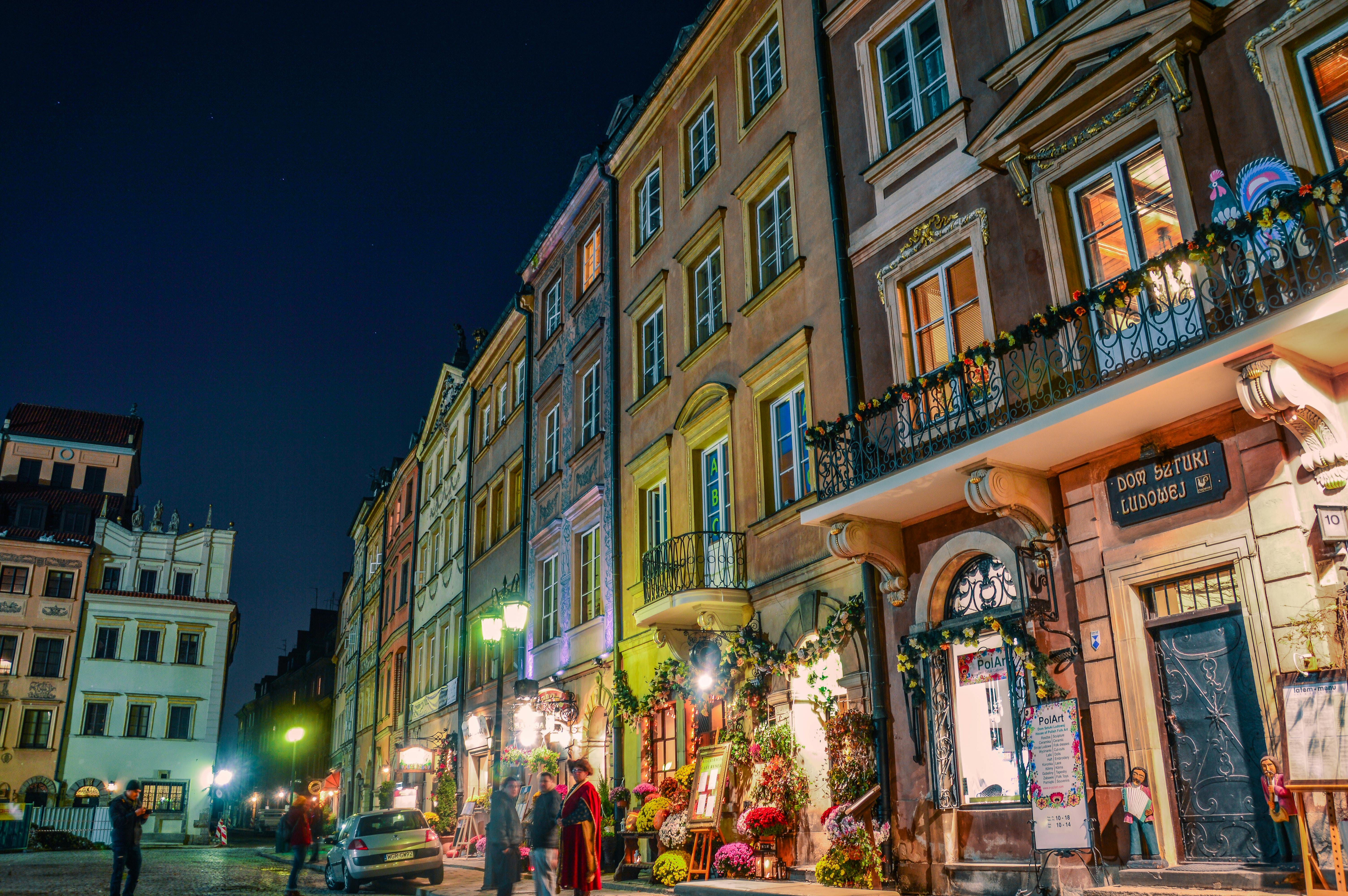
Climate: Cold winters, but still livable.
Culture: Strong Christian identity, family-first values.
Why it works:
Less than 0.1% Muslim, highly restrictive immigration policies.
Conservative, culturally cohesive, and unlikely to change fast.
Rapid development, great internet, and solid education.
Welcoming to skilled Westerners.
Bottom line: Poland may not be sunny, but it’s secure. Ideal for those who value tradition, safety, and slow-but-steady opportunity.
5. Hungary

Climate: Continental, but with warm summers.
Culture: Christian (Reformed + Catholic), proud national identity.
Why it works:
Near-zero Muslim population and strict border policies.
Government openly prioritizes Western Christian culture.
Low crime, stable politics, improving infrastructure.
Bottom line: Hungary isn’t perfect, but it’s predictable — and in a world spinning faster every year, that matters.
6. Romania
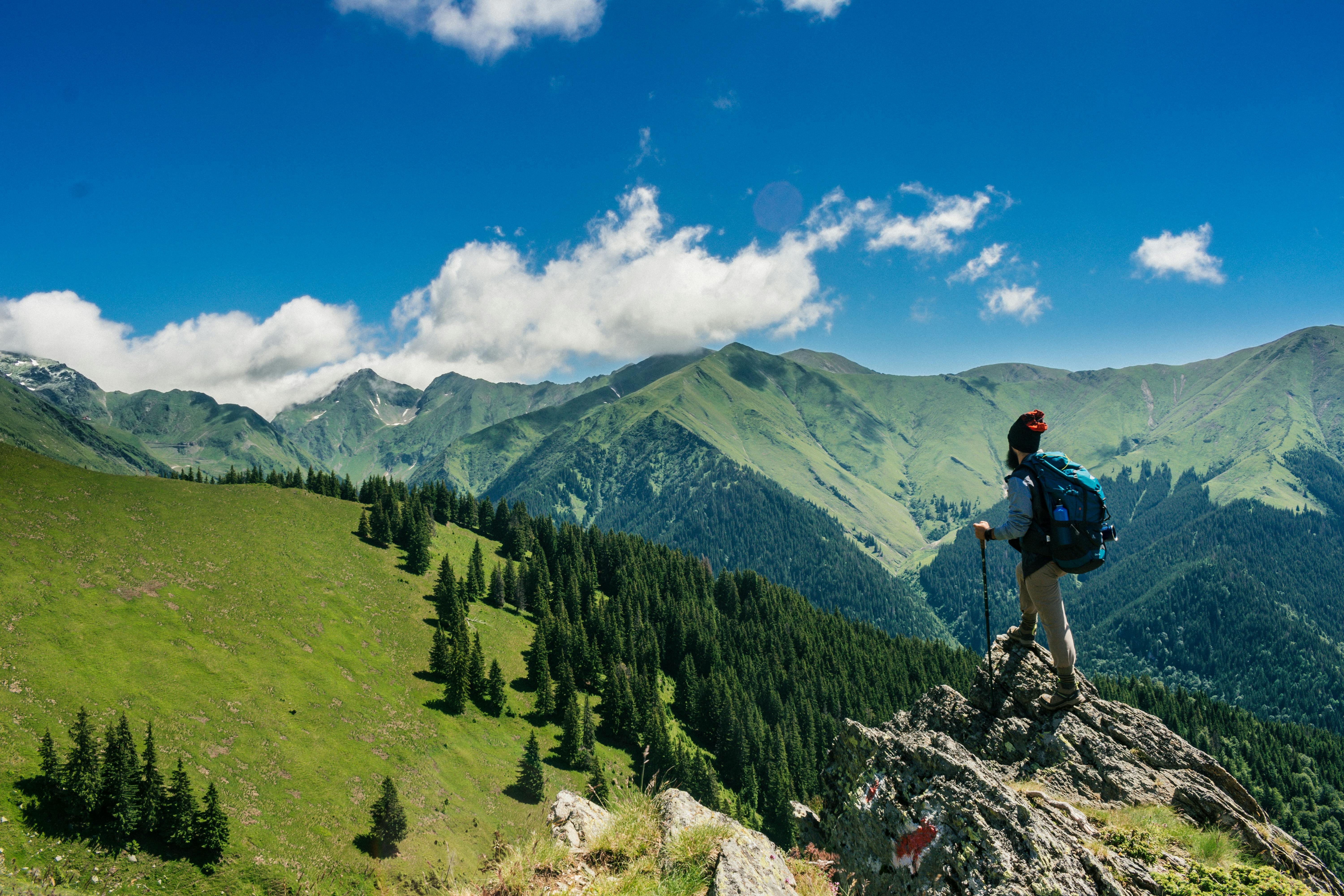
Climate: Mild winters, warm summers, and mountains too.
Culture: Orthodox Christian, deeply traditional, low immigration.
Why it works:
Culturally cohesive and still family-oriented.
Very small Muslim and South Asian presence.
Tech growth hub of Eastern Europe.
Affordable cost of living and EU access.
Bottom line: Romania is quietly becoming a long-term play — cheap, educated, and rooted in values that don’t change overnight.
7. Australia

Climate: Choose your flavor — tropical, temperate, desert.
Culture: Anglo-Western, free, and very stable.
Why it works:
Muslim share ~3.2% (2021), projected ~4% by 2030 — still low.
Strong immigration system — no open borders nonsense.
World-class healthcare, infrastructure, and wages.
Top-tier safety, rule of law, and opportunity.
Bottom line: It’s expensive, but you get what you pay for. Australia is the Western dream… with kangaroos.
8. New Zealand
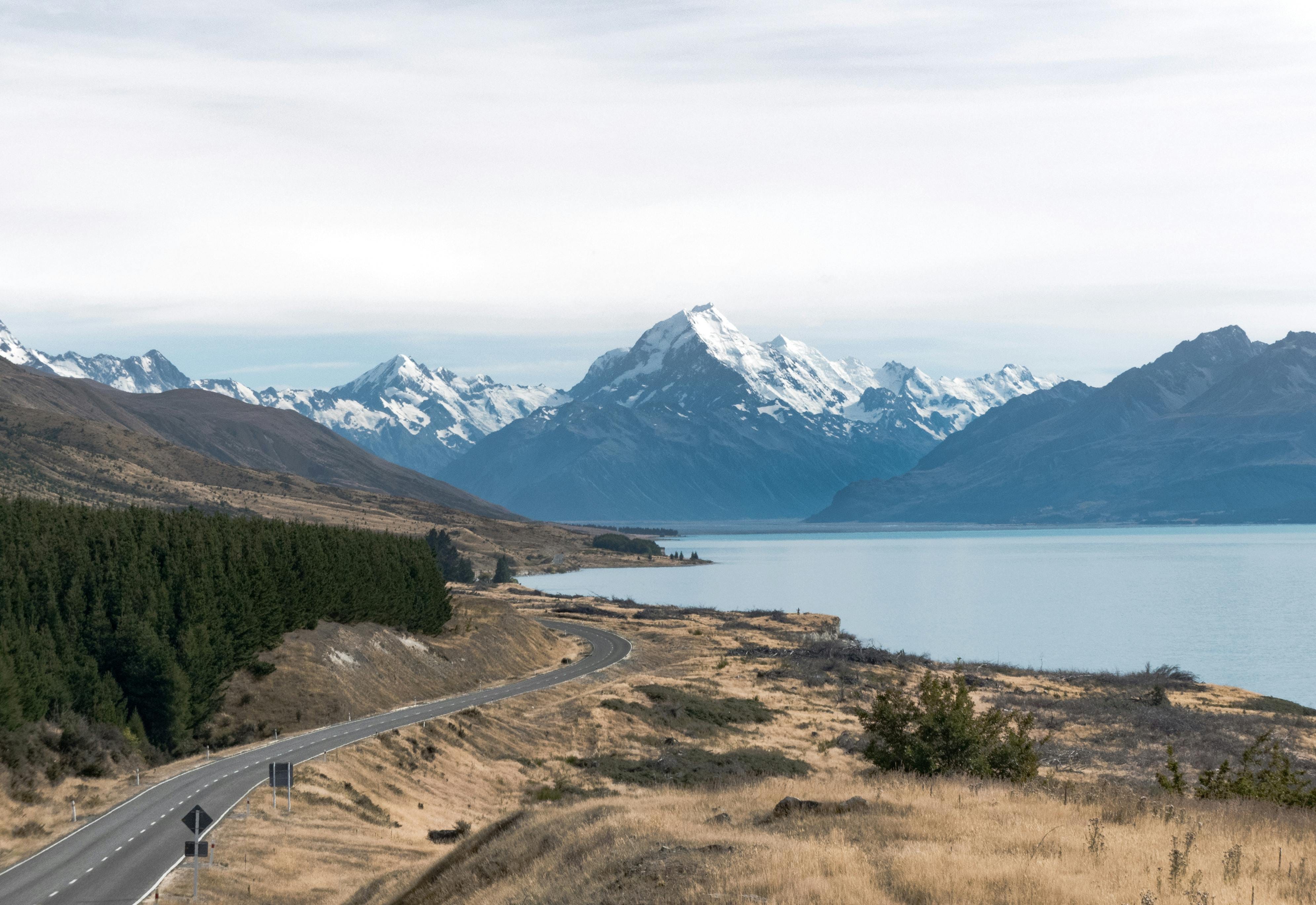
Climate: Cooler than Australia, greener too.
Culture: Anglo-Western, peaceful, and highly principled.
Why it works:
Muslim population ~1.5%, stable and well-integrated.
English-speaking, peaceful, and remote (which is a plus now).
Strong education and healthcare, low corruption.
Very open to expats with skills or capital.
Bottom line: If you want peace, green hills, and a future-proof society — NZ may be as close to paradise as it gets.
9. United States (Selective Regions)

Climate: All options — from Florida sun to Montana winters.
Culture: Western, Christian-rooted, but varies by region.
Why it works:
Cultural identity holds in many parts (Midwest, South, and rural areas).
Large immigrant population is diverse, but less likely to shift Western values overall.
Vast opportunities for business, tech, and remote work.
Strong legal protections for personal and political freedoms.
Bottom line: It’s complex, but the U.S. is vast, and there are regions that hold firm on Western values. Choose wisely.
Bonus: Russia — Not for Everyone, But Worth Mentioning
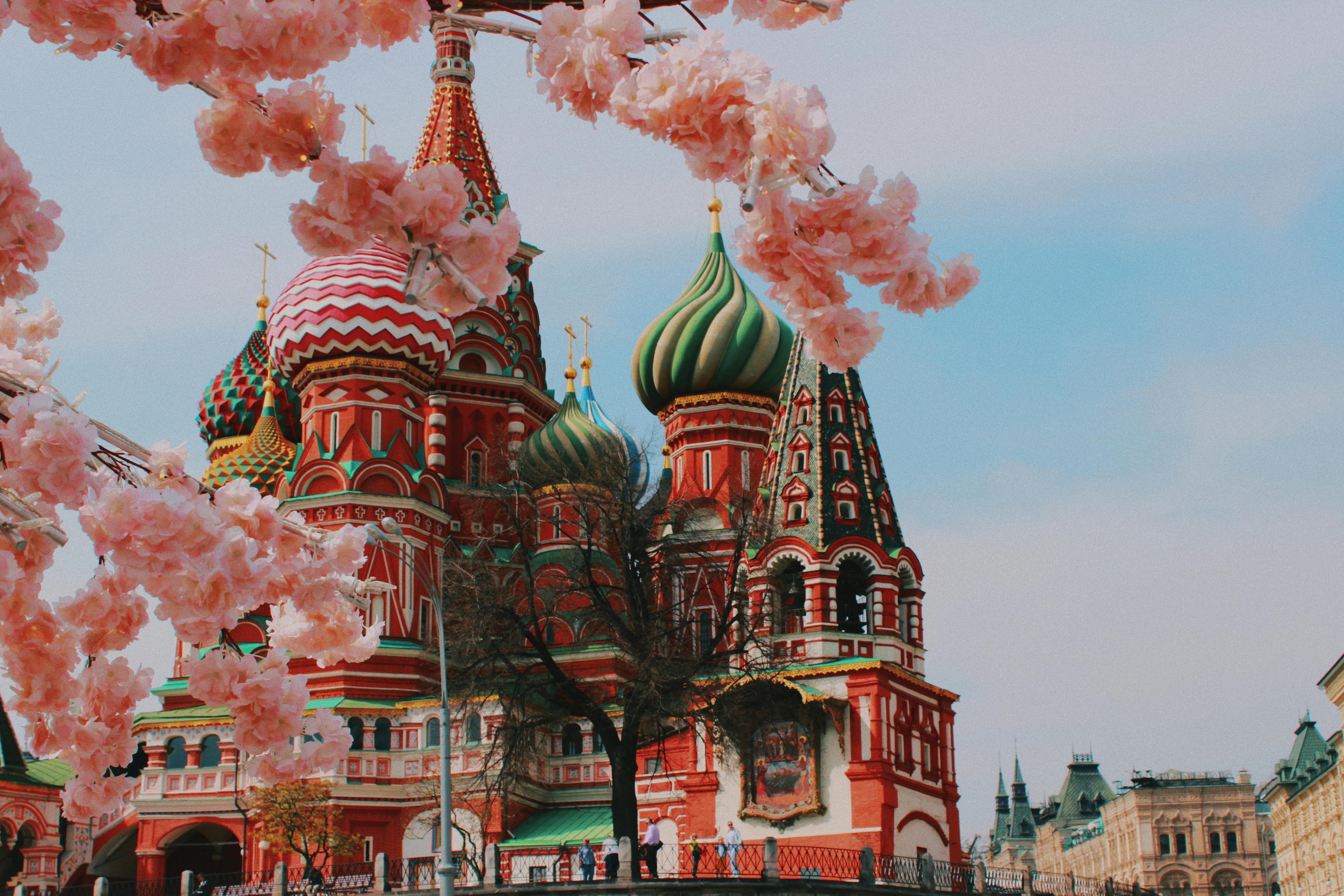
Climate: Mostly cold, but Southern Russia (Sochi, Krasnodar) has a mild subtropical climate.
Culture: Orthodox Christian, traditional, nationalistic.
Why it works (for some):
Strong Christian identity and deeply rooted national values.
No mass immigration from incompatible cultures — strict border control.
Muslim population ~10%, but geographically concentrated (not dominant nationally).
Traditional family values, strong national cohesion, resistance to Western liberal trends.
Why it might not:Sanctions, isolation, and geopolitical risk.
Limited freedoms (press, speech), especially if politically dissenting.
Not ideal for digital nomads, global mobility, or international banking.
Integration is tough unless you speak Russian and align ideologically.
Bottom line: Russia is not for the faint-hearted. But for some — especially Russian speakers aligned with traditional values — it remains a powerful, rooted, and resilient civilization that will hold the line when others fall. If you're looking for uncompromising cultural clarity, it's hard to ignore.
Closing Thoughts: Moving Forward
In choosing your future home, consider the long-term game — the world will change, but you can still pick a place that matches your values, desires, and needs. Whether it’s for work, retirement, or lifestyle, these countries provide a blend of stability, opportunity, and peace of mind for the years ahead.
Ready to make a move or just daydreaming? Start planning now, and you’ll thank yourself in 2030.
If you found this article helpful, don’t forget to subscribe for more insights and long-term planning tips for your future.